Introduction
Steel fibers have revolutionized the construction and manufacturing industries, providing a compelling solution for enhancing concrete's mechanical properties. As a versatile additive, steel fibers improve ductility, toughness, and crack resistance, making them indispensable in various applications. This comprehensive guide aims to explore the different types of steel fibers available and shed light on their unique features, benefits, and applications.
A Guide to Understanding the Different Types of Steel Fibers Available
When it comes to improving the performance of concrete, understanding steel fibers is crucial. These small strands of steel can significantly enhance the durability and structural integrity of concrete mixtures. The types of steel fibers vary widely based on their geometry, material properties, Steel Fibres and intended use. In this section, we will delve into these differences to provide you with a robust understanding.
What Are Steel Fibers?
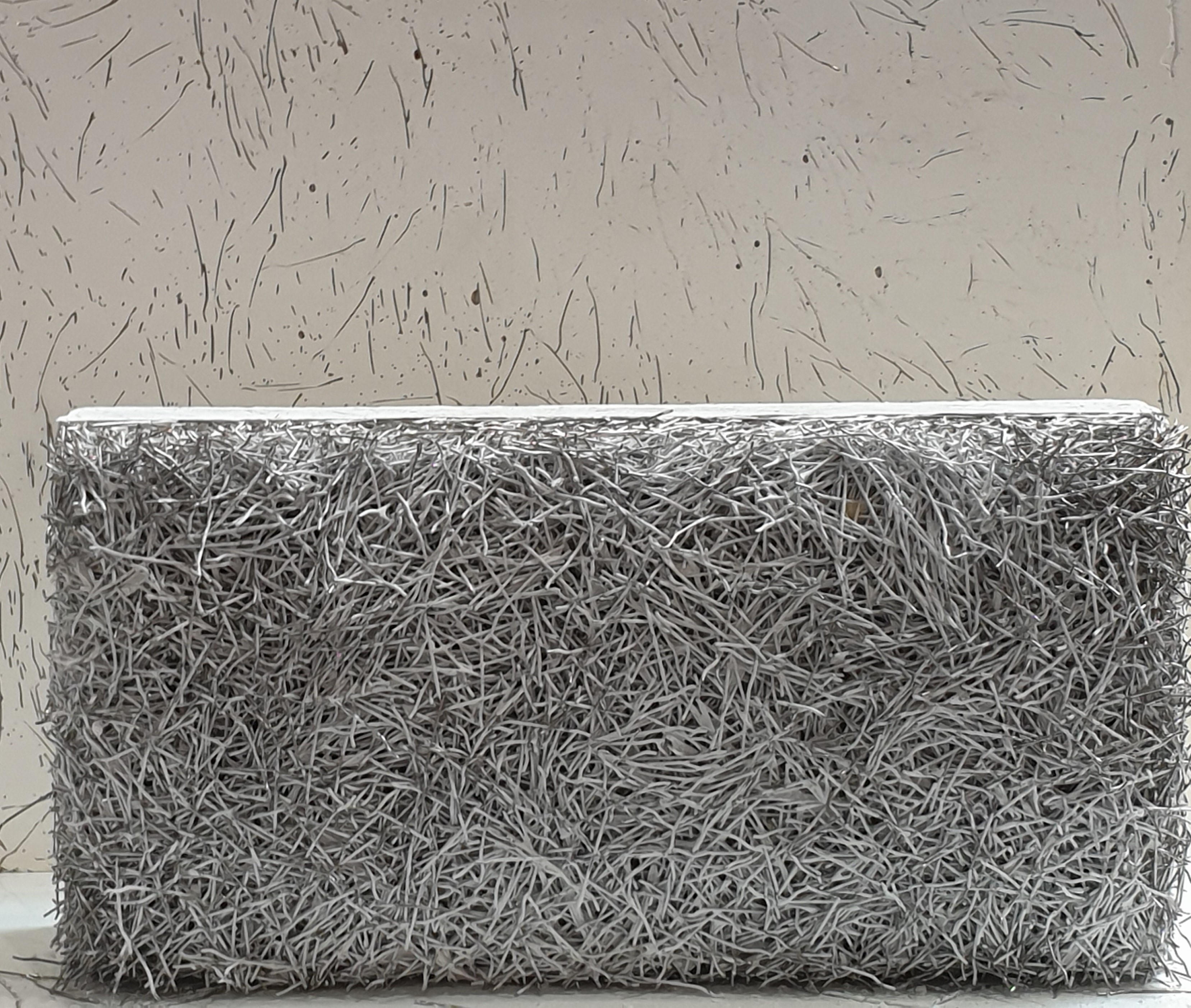
Steel fibers are thin strands made from high-quality steel that are added to concrete during mixing. They act as reinforcement within the concrete matrix, providing enhanced tensile strength and preventing cracking under stress. Unlike traditional reinforcement methods such as rebar or mesh, steel fibers distribute stress more evenly throughout the concrete.
The Composition of Steel Fibers
Steel fibers can be categorized based on their composition:
- Carbon Steel Fibers: Commonly used due to their availability and cost-effectiveness. Stainless Steel Fibers: Resistant to corrosion; ideal for harsh environments. Alloy Steel Fibers: Provide higher strength and toughness compared to standard carbon steels.
Types of Steel Fibers
Understanding the characteristics of various steel fiber types is paramount for selecting the right one for your project.
1. Hooked-End Steel Fibers
Hooked-end steel fibers feature hooks at both ends that help anchor them into the concrete mix. This design improves bonding Steel Fibres for Refractories with the surrounding material.
Advantages:
- Enhanced pull-out resistance. Suitable for high-stress applications like industrial flooring.
2. Straight Steel Fibers
Straight steel fibers lack any hooks or bends, making them easier to disperse throughout a mixture.
Advantages:
- Uniform distribution reduces segregation. Often less expensive than hooked-end varieties.
3. Crimped Steel Fibers
Crimped fibers have wavy profiles that increase surface area contact with the concrete mix.

Advantages:
- Improved bonding capability. Enhanced flexibility in cracked conditions.
4. Stainless Steel Fibers
These fibers resist corrosion better than carbon counterparts and are often used in environments prone to chemical exposure.
Advantages:
- Longevity in aggressive environments. Maintains structural integrity without rusting.
Applications of Steel Fibers in Construction
Different types of steel fibers serve various purposes in construction projects:
1. Industrial Floors
Steel fibers are commonly incorporated into industrial flooring systems due to their ability to withstand heavy loads and impacts while minimizing cracking.
2. Shotcrete Applications
In shotcrete (sprayed concrete) applications, steel fibers add structural stability and durability against dynamic loads from wind or seismic activities.
Benefits of Using Steel Fibers in Concrete Mixes
Implementing steel fibers in your concrete can yield several advantages:
Enhanced Durability: Increases resistance to wear and tear. Reduced Cracking: Mitigates shrinkage-related cracks effectively. Improved Workability: Facilitates smoother mixing processes. Cost-Effectiveness: Reduces labor costs related to installing traditional reinforcement systems.Comparing Different Types of Steel Fibers
| Type | Advantages | Disadvantages | |---------------------|-------------------------------------|------------------------------------| | Hooked-End | High pull-out resistance | More expensive than straight | | Straight | Cost-effective | Lower bonding capability | | Crimped | Improved flexibility | May be less available | | Stainless | Excellent corrosion resistance | Higher initial cost |
How Are Steel Fibers Measured?
Steel fiber dimensions are crucial for determining their effectiveness in specific applications:
- Length typically ranges from 25 mm to 50 mm (1 inch - 2 inches). Diameter varies from 0.25 mm to 1 mm (0.01 inch - 0.04 inch).
What Factors Influence the Performance of Steel Fiber Reinforced Concrete?
Several factors can influence how well steel fiber performs in a given application:
Fiber type Dosage rate Concrete mix design Environment (temperature, humidity) Curing conditionsDosage Rates for Optimal Performance
Determining an effective dosage is critical for achieving desired outcomes:
- Typical dosage ranges from 20 kg/m³ up to 100 kg/m³ depending on application requirements.
Tip: Always consult technical data sheets provided by manufacturers for specific recommendations based on fiber type.
FAQ Section
1. What is the primary purpose of using steel fibers?
The primary purpose is to enhance tensile strength and minimize cracking in concrete structures by distributing stresses evenly throughout the mix.
2. Can I use different types of steel fibers together?
Yes! Combining different fiber types can yield improved performance characteristics tailored for specific needs or applications.
3. Are there environmental concerns related to using steel fibers?
While using recycled materials is encouraged, it's essential to ensure proper disposal practices are followed after a structure’s life cycle has ended.
4. How do I determine which type of fiber is best for my project?
Evaluating factors such as load requirements, environment (corrosive vs non-corrosive), and desired aesthetic outcomes will guide your decision-making Concrete Reinforcement process effectively.
5. Is there a difference between synthetic and steel fibers?
Yes! While synthetic fibers primarily reduce plastic shrinkage cracking, steel fibers significantly improve tensile strength and overall durability under extreme loads or stress conditions.
6. Do all projects require a specific amount of curing time after adding steel fibres?
Curing times may vary based on ambient conditions; however, maintaining adequate hydration post-placement remains essential regardless of whether fiber additives were utilized or not!
Conclusion
In conclusion, understanding the different types of steel fibers available enhances your ability as a builder or contractor to choose materials that optimize construction projects' performance while ensuring longevity and durability against common stresses faced by structures today! With numerous options such as hooked-end options offering superior anchorage capabilities versus straight varieties known for ease-of-use—there's certainly no "one-size-fits-all" approach when it comes down selecting these vital components within modern-day constructions!
Choosing wisely ensures not only better quality but also considerable cost savings over time—so keep this Guide handy when planning any upcoming endeavors involving reinforced concretes!